
 REQUEST A QUOTE
 EN
EN English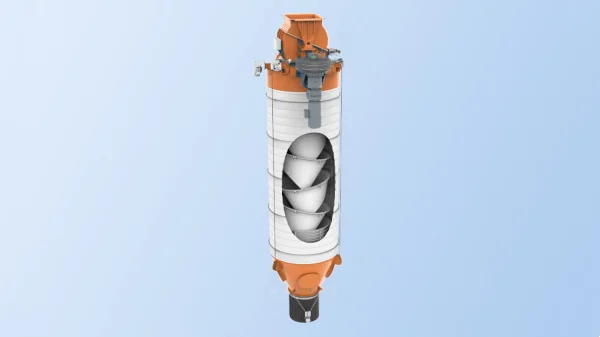
Just let we know what you want, and we will get in touch with you as soon as possible!

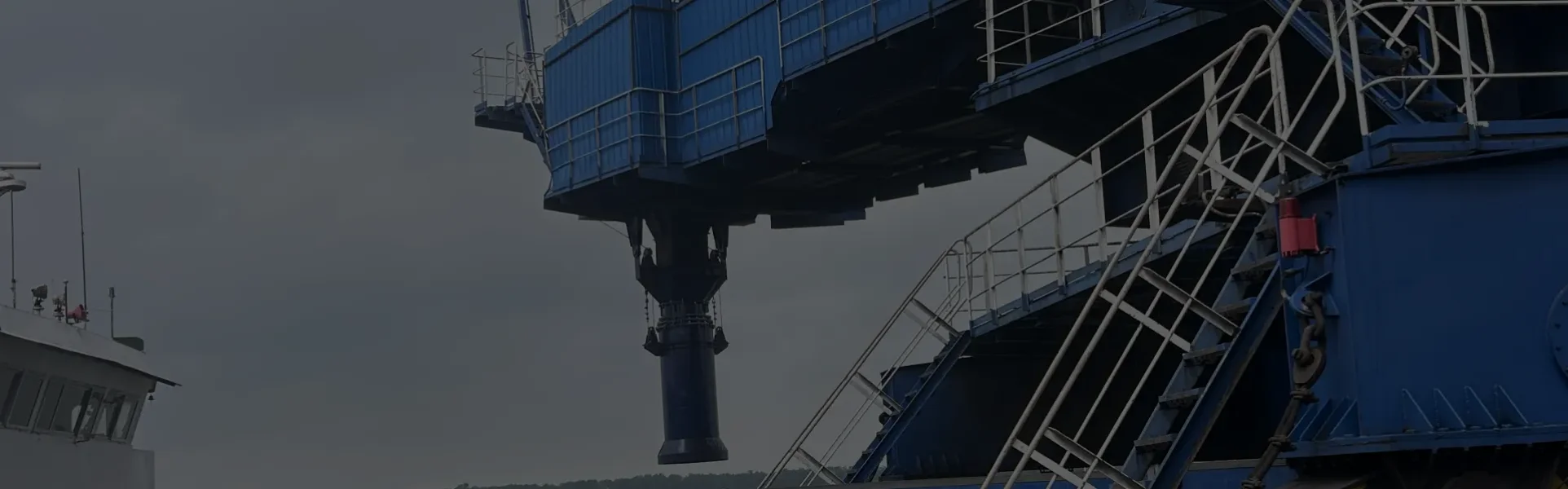
Wear Resistant Design of Telescopic Chutes for Abrasive Materials
Anyone who has handled iron ore, sand, clinker, or crushed stone knows one thing for sure: abrasive materials are unforgiving. They don't just flow through equipment—they grind it down, day after day. In telescopic loading chutes, poor wear design quickly leads to thinning steel, frequent shutdowns, and high maintenance costs.

A wear-resistant telescopic chute is not about using the hardest material everywhere. It's about understanding where wear really happens and designing the chute to handle it intelligently.
Why Abrasive Materials Are So Tough on Chutes
Abrasive materials damage chutes in two main ways:
- Sliding wear, as material continuously rubs against chute surfaces
- Impact wear, when material hits a surface at high speed or changes direction
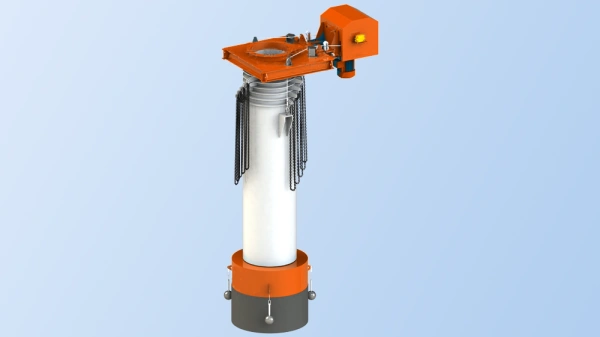
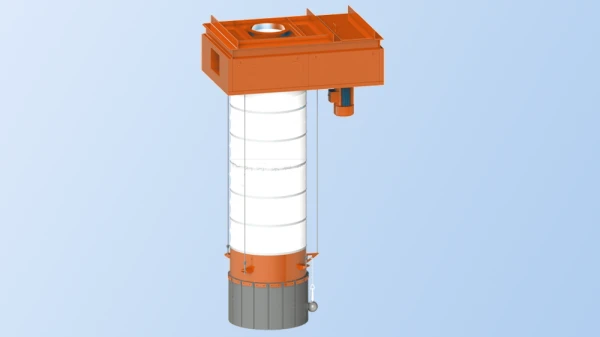
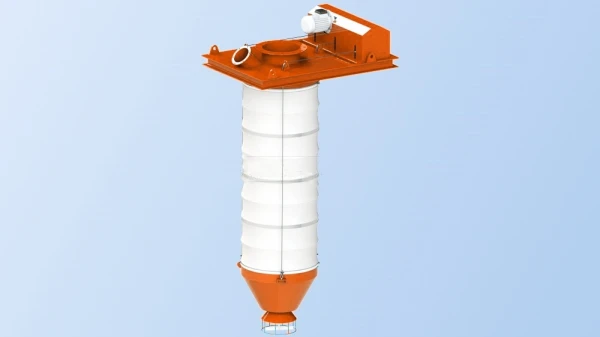
In telescopic chutes, both types occur— especially in areas where material enters the chute, changes direction, or exits near the discharge point. This is especially true for high-throughput stacker conveyor and ship loader conveyor. We aslo provide wear resistant design of telescopic chute for conveyor and telescopic chute for silo bellow loading device.
Because telescopic chutes move up and down, wear problems can be harder to predict than in fixed chutes. That makes proper design even more important.
Start with Controlled Material Flow
One of the most effective wear-reduction strategies is controlling the way material moves.
Free-fall designs allow material to accelerate and strike surfaces with high energy. In contrast, cascade or spiral chute designs guide material along inclined paths, reducing speed and spreading wear over a larger area.
Lower impact energy means:
- Less localized wear
- Longer liner life
- Reduced stress on the chute structure
For highly abrasive materials, controlled flow is often the first and most important design decision.

Choosing the Right Base Tube Material
The chute tube itself must be strong enough to support liners and withstand continuous operation.
Common base materials include:
- Carbon steel for moderate abrasion and structural strength
- Wear-resistant steel (NM400, Hardox) for high-abrasion environments
Using wear-resistant steel for the main tube can significantly extend service life, but it also increases weight and cost. In many cases, a carbon steel structure combined with smart liner design offers a better balance.
The Real Work Is Done by Wear Liners
In abrasive applications, wear liners are the true sacrificial components.
Effective liner strategies include:
- Wear-resistant steel liners in high-impact zones
- Ceramic liners where sliding abrasion is extreme
- Rubber or polyurethane liners to absorb impact and reduce noise
- UHMW-PE liners where low friction improves flow and reduces sticking
By mixing liner types within the same chute, designers can protect critical areas without over-engineering the entire system.
Focus on High-Wear Zones
Not every part of a telescopic chute wears at the same rate. The most common high-wear zones are:
- The material inlet area
- Direction-change points in cascade chutes
- The lower discharge section
A good wear-resistant design reinforces these areas first, often with thicker liners or replaceable wear plates. This targeted approach reduces both downtime and replacement cost.
Modular Design Makes a Big Difference
In real operations, wear is unavoidable. What matters is how easy it is to deal with.
Modular liner designs allow:
- Quick replacement of worn sections
- Shorter shutdown times
- Lower labor costs
Instead of replacing an entire chute tube, operators can change only the sections that are actually worn.
Balancing Weight and Movement
Telescopic chutes must move smoothly. Excessive weight from thick wear steel or heavy liners can overload hoisting systems and accelerate cable or chain wear.
A well-designed chute balances:
- Structural strength
- Wear protection
- Overall system weight
This is why many successful designs use heavier liners only where needed, keeping other sections lighter.

Don't Overlook Maintenance Access
Even the best wear materials will eventually need attention. Smart designs provide:
- Easy inspection access
- Clear wear indicators
- Simple liner removal and installation
These details may seem minor, but they greatly influence long-term operating cost.
Real-World Results of Good Wear Design
Operators who invest in proper wear-resistant design often see:
- Longer chute service life
- Fewer unexpected failures
- Reduced spare parts inventory
- Lower total cost of ownership
In high-throughput operations, these benefits quickly outweigh the initial design effort.
Designing a wear-resistant telescopic chute for abrasive materials is about understanding wear behavior, controlling material flow, and protecting the right areas with the right materials. There is no single material that solves every problem, but a thoughtful combination of chute design and liner strategy delivers reliable, long-term performance.
When wear is planned for instead of fought against, telescopic chutes become dependable tools—even in the harshest abrasive environments.
- Telescopic Chute for Grain Loading Applications
- How to Choose Chute Tube Material for Telescopic Chutes
- How Telescopic Chutes Reduce Material Degradation and Spillage
- Cascade Chute vs Free-Fall Telescopic Chute: Which Is Better for Dust Suppression
- How to Choose the Right Telescopic Chute for Truck, Rail and Ship Loading?
- Telescopic Chute Tube Material

Table of Contents

Leading Mobile Bulk Material Handling Equipment Manufacturer in China. A high-tech enterprise specializing in R&D and manufacturing of stacker conveyors, ship loaders, and bucket wheel reclaimers. We provide comprehensive mobile solutions, including mobile hopper feeders, truck unloaders (surface feeders), and transfer conveyors, alongside high-performance mobile crushing and screening plants for global bulk material processing.
How to Contact
- WhatsApp: +8617821512097
- E-mail: [email protected]
-
 Add: China

